

Menopause is a transitional time in a woman’s life signaling the end of menstruation and fertility. This transition is the product of the decline in hormones that are produced in the ovaries, including estrogen, progesterone, GnRH, FSH, and others. It is a natural biological process, usually beginning around age 50 although it is possible to start as early as the-mid 30s. And, although it is a natural process, it brings symptoms that can be uncomfortable. Today we will address six natural remedies to treat your menopause symptoms and help you feel more at ease.
Some of the most common symptoms that women experience during menopause include hot flashes, night sweats, depression, insomnia, vaginal dryness, mood swings, and headaches. These symptoms generally decrease over time and eventually go away on their own. Some people choose to get hormone replacement therapy to combat their menopause symptoms. If you prefer natural remedies, here are six things you can do to treat your menopause symptoms.
- Exercise
Getting regular exercise each day can have a number of positive impacts on your menopause symptoms. First, many people experience weight gain in their abdomen and stomachs, and exercise helps to address that. Following a program of aerobic exercise a few times a week can improve your mood, sleep, and even decrease the occurrence of hot flashes and night sweats. Weight-bearing activities will also help to fight osteoporosis. Yoga can be a good solution for the symptoms of irritability and depression. In fact, studies have shown that regular exercise can be as effective for treating depression as antidepressants.
- Eat Well
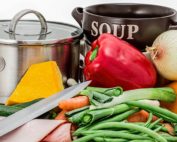
One way you can mitigate your menopause symptoms and also contribute to your overall good health is to eat a balanced diet. This should include fruits, vegetables, whole grains, and foods high in fiber and probiotics. Proteins can also help fight osteoporosis. Foods like broccoli, cabbage, kale, soy, and foods rich in omega-3 fatty acids such as fish and flaxseed are a good choice. And make sure to include some healthy fats in your diet, such as the type that comes from avocado, coconut milk, nuts, or extra virgin olive oil.
On the other hand, you would be wise to limit saturated fats, highly-processed oils, alcohol, and sugars.
For more information about the link between menopause and diet, read here!
- Talk to Your Doctor about Supplements
Supplements can be a great solution to get sufficient vitamins and minerals into your diet. It is always a good idea to talk to your doctor about any supplements you want to take to be sure that they will not interact poorly with other medications you are taking.
If you are not getting enough vitamin D, vitamin B (folate), or calcium it might help to start there. Vitamin E may help to alleviate symptoms of hot flashes. There is conflicting evidence regarding treatment of menopause symptoms with herbs such as black cohosh, red clover, dong quai, chasteberry, St. John’s Wort, ginseng, evening primrose oil, and ashwagandha. These herbs do have side effects and may interact with other medications, so it is best to discuss with your physician first.
4) Relieve Your Stress
Another way to reduce the impact of your menopause symptoms that also contributes to your general well-being is by developing a plan for stress relief. Finding self-care solutions that are right for you can go a long way in treating your menopause symptoms. Some options include deep breathing, meditation, yoga, massage, exercise, acupuncture, spending time with people you care about, and the list goes on. Getting enough sleep is also a great way to manage stress, and many of the activities you choose for self-care have a side benefit of helping you to get more sleep. If these solutions do not seem to be working, you may consider talking to your doctor about antidepressants or other medication options.
5) Regulate Your Body Temperature
There are some simple things you can do to regulate your body temperature. First, wear layers during the day. This allows you to dress appropriately for the weather outside while having an out if you start to experience a hot flash. Be cautious about consuming hot beverages, alcohol, or spicy foods. Get to know the rhythm of your own body and what triggers hot flashes for you so that you can make adjustments.
6) Manage Vaginal Discomfort
For those who experience vaginal discomfort as a menopause symptom, this could be the result of dryness. Choose an over-the-counter, water-based lubricant or moisturizer to help reduce dryness. But be sure to avoid products that contain glycerin, as this can be an irritant for some women. If the issue persists, talk to your doctor about whether to consider a topical estrogen cream.
Menopause is a natural part of the aging process, but there are many different steps you can take to make yourself comfortable. In this blog, we talked about six natural remedies to treat your menopause symptoms. If you have more questions and want to get guidance on how to manage your symptoms, click here to talk to us here at Be Well!







Leave A Comment